Ever dreamt of effortlessly dicing onions without shedding a single tear, or whipping up a vibrant pesto in mere seconds? For aspiring “master chefs” and busy home cooks alike, the master chef mini food chopper is more than just a kitchen gadget; it’s a game-changer. This compact powerhouse is designed to transform tedious prep work into a swift, enjoyable process, helping you achieve culinary perfection with surprising ease. Say goodbye to extensive knife work and hello to efficiency, precision, and a whole new world of quick culinary creations.
|
Our Picks for the Best Mini Food Chopper in 2026
As an Amazon Associate I earn from qualifying purchases.
|
||
| Num | Product | Action |
|---|---|---|
| 1 | Food Chopper, Mini Garlic Dicer with Stainless Steel Blades, Hand-Press Vegetable Cutter for Onions, Tomatoes, Nuts - Kitchen Helper with Non-Slip Base, Easy to Clean & Save Time |

|
| 2 | Cuisinart Mini-Prep Plus Food Processor, 24-Ounce Mini Food Processor to Chop Herbs, Vegetables, and Hard Cheese, 24-Ounce Work Bowl, Reversible Stainless Steel Blade, DLC-2ABC, Brushed Chrome |
|
| 3 | BLACK+DECKER 1.5-Cup Electric Food Chopper, One Touch Pulse, 150W Motor, Stay-Sharp Blade, Dishwasher Safe |
|
| 4 | Hamilton Beach Electric Vegetable Chopper & Mini Food Processor, 3-Cup, 350 Watts, for Dicing, Mincing, and Puree, Black (72850) |
|
| 5 | Cuisinart Mini-Prep Plus Food Processor, 24-Ounce Mini Food Processor to Chop Herbs, Vegetables, and Hard Cheese, 24-Ounce Work Bowl, Reversible Stainless Steel Blade, DLC-2AMGSLT, Dark Grey |
|
| 6 | Cuisinart Mini-Prep Plus Food Processor, 24-Ounce Mini Food Processor to Chop Herbs, Vegetables, and Hard Cheese, 24-Ounce Work Bowl, Reversible Stainless Steel Blade, DLC-2A, White |
|
| 7 | Cuisinart Mini-Prep Plus Food Processor, 24-Ounce Mini Food Processor to Chop Herbs, Vegetables, and Hard Cheese, 24-Ounce Work Bowl, Reversible Stainless Steel Blade, DLC-2APK, Pink |
|
| 8 | Waring Commercial 3-Cup Chopper Grinder |
|
| 9 | Waring Commercial WFP11S 2.5 Quart Food Processor, 3/4 HP Motor, Extra Large Feed Tube, Patented LiquiLock Seal Bowl System, Includes Grating, Shredding, Slicing, Whipping Disc and a Standard S blade for Chopping, Pureeing, and Emulsyfying, 120V, 5-15 Phase Plug |
|
| 10 | Waring Commercial 4 Quart Food Processor, 2 HP Motor, Extra Large Feed Tube, LiquiLock Sealed Bowl System, S Blade Chops Purees Emulsifies, 120V, 5-15 Phase Plug, Clear WFP16SC Black |
|
What is a Mini Food Chopper and Why Every Kitchen Needs One
At its heart, a mini food chopper is a scaled-down, simplified version of a full-size food processor, primarily focused on chopping, mincing, and pureeing smaller quantities of ingredients. Unlike its larger counterpart, which often comes with an array of attachments for slicing, shredding, and dough-making, a mini chopper typically features one core blade, optimized for its essential tasks. This focused design is precisely why it earns its spot in the modern kitchen, empowering you to feel like a true master chef mini food chopper wielder.
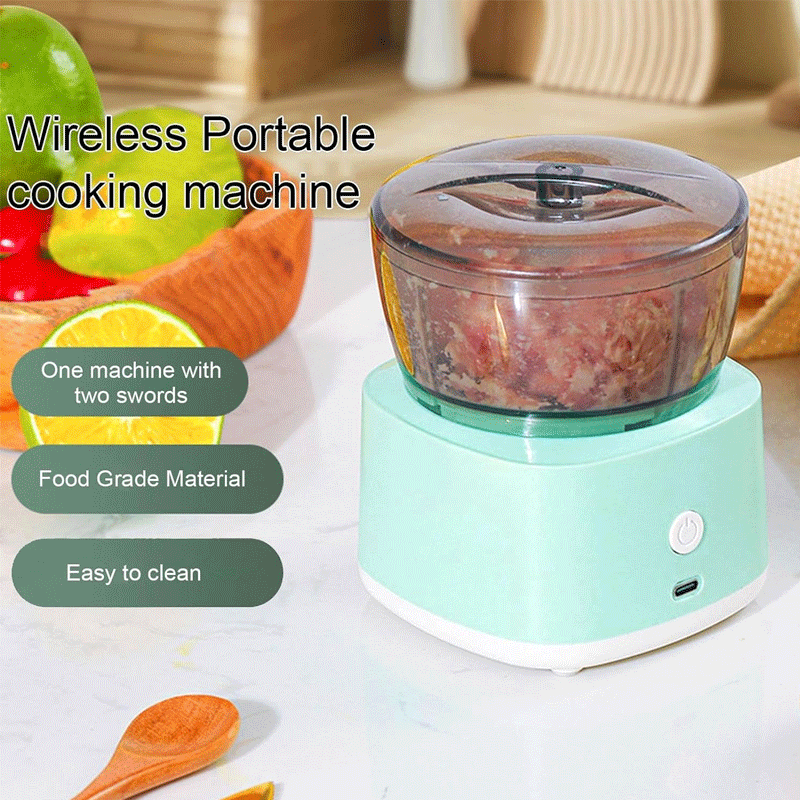
So, why should this compact appliance be a staple in your kitchen? First and foremost, it’s a monumental time-saver. Imagine mincing garlic, ginger, or herbs in a fraction of the time it would take with a knife. For tasks like finely dicing onions or bell peppers, a mini chopper delivers consistent results quickly, without the struggle or the tears. Beyond speed, it offers precision, ensuring ingredients are uniformly chopped, which is key for even cooking and professional-looking dishes. Its compact size is another major draw, making it perfect for smaller kitchens or anyone aiming to minimize countertop clutter. And let’s not forget the ease of cleaning; with fewer parts, many models boast dishwasher-safe components, making cleanup almost as fast as prep itself. It’s the ideal tool for handling small batches, whether it’s a handful of nuts for garnish or a quick homemade salad dressing.
Key Features and Benefits That Make You a Kitchen Pro
Choosing the right master chef mini food chopper means understanding the features that truly matter. These small details can make a big difference in how effectively you elevate your cooking.
Powering Through Prep: Motor Wattage
Don’t let the “mini” in mini chopper fool you; a good model still needs sufficient power. Most mini food choppers range from 200 to 400 watts. While even lower wattage can handle basic chopping, a higher wattage motor ensures your chopper can tackle tougher ingredients like nuts or fibrous herbs without faltering, delivering consistent results every time.
Size Matters: Bowl Capacity
Mini choppers typically come with bowl capacities ranging from 1.5 to 5 cups. A smaller 1.5-cup model is perfect for single servings or very small tasks like mincing a clove of garlic, while a 3- to 5-cup capacity offers more versatility for preparing dips, sauces, or baby food, without crossing into full-size food processor territory. Consider your typical batch sizes to find your perfect fit.
The Heart of the Machine: Blade Design
High-quality stainless steel blades are non-negotiable. Look for designs that ensure thorough processing, often with two levels of blades or a unique “S”-blade configuration. Some advanced models even offer reversible blades for different functions like chopping or grinding, giving you more control over texture. Sharp, durable blades are crucial for achieving clean cuts rather than simply bruising ingredients.
Control at Your Fingertips: Speed Settings and Pulse Function
While some basic models offer a single speed, many feature two speed settings or, more commonly, a pulse function. The pulse setting is invaluable for achieving varied textures, allowing you to control the chopping process with short bursts, from a coarse chop to a fine mince. Continuous run is great for pureeing.
Safety First: Essential Protective Features
Any appliance with fast-moving blades must prioritize safety. Look for features like locking mechanisms that prevent the chopper from operating if the lid isn’t securely in place, non-slip bases to keep the unit stable on your counter, and automatic shut-off functions to prevent overheating. These features offer peace of mind as you chop like a pro.
Modern Conveniences: Enhancing Your Experience
Manufacturers are constantly innovating to make mini choppers even more user-friendly. Keep an eye out for:
- Drizzle Basins or Holes: Small indents in the lid with a hole underneath, perfect for slowly adding oil while the machine runs, making emulsified dressings and mayonnaise a breeze.
- Pouring Lips/Spouts: Just like a jug, these make transferring liquids or chopped ingredients mess-free.
- Storage Lids: Some bowls come with lids, allowing you to store your prepped ingredients or leftovers directly in the chopping bowl.
- Dishwasher-Safe Parts: A huge time-saver! Most bowls, lids, and blades are designed for easy cleaning in the dishwasher.
- Cordless Options: The latest trend, offering ultimate portability and freedom from outlets, allowing you to prep anywhere in your kitchen.
“A common misconception is that a mini chopper is just a smaller food processor,” explains Chef Anya Sharma, a culinary innovator and KitchenPro’s resident small appliance guru. “But it’s truly its own essential tool. It excels at specific, frequent tasks that would be cumbersome with a large processor or knife, like crafting fresh spice blends or finely mincing aromatics. It’s about optimizing efficiency for those everyday culinary moments.”
Choosing Your Culinary Sidekick: How to Select the Perfect Mini Food Chopper
With a variety of models available, selecting the ideal master chef mini food chopper involves a bit of self-reflection. Consider these factors to find your perfect match:
- Your Culinary Habits: What will you primarily use it for? If it’s mostly herbs, garlic, and small amounts of nuts, a more compact, budget-friendly model might suffice. If you’re planning on making larger batches of salsa, hummus, or baby food, a model with a 3-cup or more capacity and robust motor would be more suitable.
- Household Size: Single cooks or couples might find a 1.5-cup to 3-cup capacity perfectly adequate. Larger families or those who frequently entertain might lean towards a 4- to 5-cup model to handle slightly bigger prep tasks without needing a full-size processor.
- Electric vs. Manual: Electric mini choppers offer effortless operation with the touch of a button, while manual choppers (often pull-cord designs) are great for travel, camping, or those who prefer an eco-friendlier, non-electric option.
- Budget vs. Features: Entry-level mini choppers are excellent for occasional use, providing basic functionality at an affordable price. Premium models often come with higher wattage, more speed options, better build quality, and additional accessories like whisk attachments or cordless designs. Determine which features are “must-haves” for your cooking style.
- Brand Reputation: Established brands like KitchenAid, Cuisinart, Ninja, and Hamilton Beach frequently receive high ratings for their mini choppers, known for durability and performance. Researching reviews for specific models can provide valuable insights into real-world performance.
Mastering Your Mini Food Chopper: Tips for Use and Maintenance
To truly get the most out of your master chef mini food chopper and ensure its longevity, proper usage and care are paramount.
Prepping for Perfection
- Pre-Chop Larger Ingredients: Even a powerful mini chopper works best when ingredients are pre-cut into smaller, uniform pieces (e.g., 1-inch chunks for onions or carrots). This helps ensure even processing and prevents the motor from straining.
- Don’t Overfill: Resist the urge to cram the bowl. Overfilling can lead to uneven chopping, overworking the motor, and potentially damaging the blades or unit. Work in batches if necessary.
- Mix Hard and Soft: For ingredients with varying textures, try to combine them strategically. Placing harder items at the bottom might help.
Operation Techniques
- Pulse, Don’t Puree (Unless Intended): For a coarse chop, use short, controlled pulses. Holding the button down continuously will quickly turn ingredients into a puree. Mastering the pulse function is key to achieving your desired texture.
- Scrape Down Sides: For very even results, especially with sticky ingredients or when making pastes, pause occasionally and scrape down the sides of the bowl with a spatula to ensure all ingredients come into contact with the blades.
- Add Liquids Strategically: When making sauces or dressings, use the drizzle basin feature if available, or add liquids gradually through the lid opening while the machine is running for optimal emulsification.
Effortless Maintenance
- Clean Immediately: The easiest way to clean your mini chopper is right after use, before food has a chance to dry and stick.
- Dishwasher-Safe Components: Most bowls, lids, and blades are dishwasher-safe (top rack recommended). Always check your manual.
- Handle Blades with Care: Blades are extremely sharp. When hand washing, use a brush and avoid direct contact with the cutting edge to prevent injury.
- Dry Thoroughly: Ensure all parts are completely dry before reassembling or storing to prevent rust and bacterial growth.
- Compact Storage: Its small footprint means you can easily store it in a cupboard, pantry, or even leave it on the countertop if you use it frequently.
Beyond Basic Chopping: Versatile Applications of Your Mini Food Chopper
Thinking of a master chef mini food chopper as just an onion dicer barely scratches the surface of its capabilities. This versatile tool can unlock a myriad of culinary possibilities, making complex recipes simpler and everyday meals more exciting.
Crafting Flavorful Dips and Spreads
- Guacamole & Salsa: Instantly create fresh, chunky or smooth guacamole and vibrant salsas.
- Pesto & Hummus: Blitz fresh basil, nuts, and cheese for a homemade pesto, or whip up creamy hummus from canned chickpeas in minutes.
- Tapenades: Combine olives, capers, and herbs for a quick, savory spread.
Elevating Sauces and Dressings
- Homemade Mayonnaise & Vinaigrettes: The drizzle basin is perfect for slowly incorporating oil, creating perfectly emulsified dressings and mayo from scratch.
- Curry Pastes & Marinades: Blend fresh spices, chilis, and aromatics into potent curry pastes or zesty marinades for meats and vegetables.
Mincing, Grinding, and More
- Aromatics: Finely mince garlic, ginger, shallots, and herbs for stir-fries, soups, and garnishes.
- Nut Butters & Crumbles: Grind roasted nuts into homemade nut butter or coarse crumbs for toppings.
- Breadcrumbs: Transform stale bread into fresh breadcrumbs for coating or binding.
- Baby Food: Quickly puree cooked fruits and vegetables into fresh, healthy baby food.
- Cauliflower Rice: Process cauliflower florets into a rice-like consistency for a low-carb alternative.
Mini Food Chopper vs. The Rest: A Comparative Look
To truly appreciate the value of a master chef mini food chopper, it helps to understand how it stacks up against other common kitchen tools.
Mini Chopper vs. Full-Size Food Processor
- Mini Chopper: Best for small tasks, quick prep, compact storage, and simpler operations like chopping and pureeing. It’s generally more affordable and easier to clean due to fewer parts.
- Full-Size Food Processor: Designed for larger quantities, heavy-duty tasks (like kneading dough), and offers a wider range of functions (slicing, shredding) with multiple attachments. However, it’s bulkier, more expensive, and often more cumbersome to clean.
Mini Chopper vs. Knife & Cutting Board
- Mini Chopper: Offers speed and consistency that’s hard to achieve manually, especially for large volumes of mincing. It’s also invaluable for tear-free onion chopping and creating smooth purees.
- Knife & Cutting Board: Provides ultimate control for precise, aesthetic cuts (e.g., fine julienne). It requires skill and manual effort but needs no electricity.
Mini Chopper vs. Blender
- Mini Chopper: Excels at creating chunky or textured results, perfect for salsas, pestos, and finely minced ingredients. It’s designed to handle less liquid.
- Blender: Primarily designed for liquids, smoothies, and very smooth purees. While some can handle light chopping, they typically require more liquid to operate effectively and produce a much finer, often liquid, consistency.
FAQs: Your Mini Food Chopper Questions Answered
Q: Can a mini food chopper grind raw meat?
A: While some very powerful models might handle small amounts of cooked meat, mini food choppers are generally not designed for grinding raw meat. Their motors and blades are typically optimized for fruits, vegetables, nuts, and herbs. For raw meat, a dedicated meat grinder or a more powerful full-size food processor is recommended.
Q: Can I put hot food in my mini chopper?
A: It’s generally best to let hot food cool down before putting it into your mini chopper. The heat and steam can create pressure inside the sealed bowl, potentially causing the lid to dislodge or damaging plastic components over time.
Q: How do I get an even chop every time?
A: To achieve an even chop, avoid overfilling the bowl and pre-cut larger ingredients into roughly uniform pieces. Use the pulse function in short bursts, observing the consistency, and scrape down the sides of the bowl as needed to ensure all ingredients are processed evenly.
Q: Are mini food choppers noisy?
A: Like many kitchen appliances, mini food choppers can produce some noise, especially when processing harder ingredients. However, modern designs often incorporate quieter motors, and some premium models are specifically noted for their low noise levels.
Q: What’s the safest way to clean the blades?
A: The blades are very sharp. If hand washing, use a long-handled brush or sponge and avoid direct contact with the blade edges. Many blades are dishwasher-safe (check your manual), which is often the safest and most convenient cleaning method.
Conclusion: Elevate Your Cooking with a Master Chef Mini Food Chopper
The master chef mini food chopper is an indispensable tool for anyone looking to streamline their kitchen routine and achieve impressive culinary results. Its compact design belies its powerful capabilities, offering speed, precision, and versatility that can transform everyday cooking into a more enjoyable and efficient experience. From perfectly minced garlic to vibrant homemade pestos, this small appliance empowers you to explore new recipes and master essential prep tasks with confidence. Embrace the convenience and culinary freedom a mini food chopper brings to your kitchen, and you’ll soon wonder how you ever cooked without it. It’s time to unleash your inner master chef and elevate your meal prep to professional standards.