In the dynamic world of compact kitchen appliances, the Food Network 3 cup mini processor chopper stands out as a versatile workhorse, streamlining countless meal preparation tasks. Whether you’re a seasoned chef or a home cook looking to simplify your routine, truly understanding your Food Network 3 cup mini processor chopper manual is the key to unlocking its full potential and ensuring its longevity. This isn’t just a piece of paper; it’s your comprehensive guide to mastering an indispensable tool.
|
Our Picks for the Best Mini Food Chopper in 2026
As an Amazon Associate I earn from qualifying purchases.
|
||
| Num | Product | Action |
|---|---|---|
| 1 | Cuisinart Mini-Prep Plus Food Processor, 24-Ounce Mini Food Processor to Chop Herbs, Vegetables, and Hard Cheese, 24-Ounce Work Bowl, Reversible Stainless Steel Blade, DLC-2APK, Pink |

|
| 2 | Cuisinart Mini-Prep Plus Food Processor, 24-Ounce Mini Food Processor to Chop Herbs, Vegetables, and Hard Cheese, 24-Ounce Work Bowl, Reversible Stainless Steel Blade, DLC-2A, White |
|
| 3 | Waring Commercial WFP11S 2.5 Quart Food Processor, 3/4 HP Motor, Extra Large Feed Tube, Patented LiquiLock Seal Bowl System, Includes Grating, Shredding, Slicing, Whipping Disc and a Standard S blade for Chopping, Pureeing, and Emulsyfying, 120V, 5-15 Phase Plug |
|
| 4 | Waring Commercial 4 Quart Food Processor, 2 HP Motor, Extra Large Feed Tube, LiquiLock Sealed Bowl System, S Blade Chops Purees Emulsifies, 120V, 5-15 Phase Plug, Clear WFP16SC Black |
|
| 5 | Cuisinart Mini-Prep Plus Food Processor, 24-Ounce Mini Food Processor to Chop Herbs, Vegetables, and Hard Cheese, 24-Ounce Work Bowl, Reversible Stainless Steel Blade, DLC-2ABC, Brushed Chrome |
|
| 6 | Cuisinart Mini-Prep Plus Food Processor, 24-Ounce Mini Food Processor to Chop Herbs, Vegetables, and Hard Cheese, 24-Ounce Work Bowl, Reversible Stainless Steel Blade, DLC-2AMGSLT, Dark Grey |
|
| 7 | Waring Commercial 3-Cup Chopper Grinder |
|
| 8 | BLACK+DECKER 1.5-Cup Electric Food Chopper, One Touch Pulse, 150W Motor, Stay-Sharp Blade, Dishwasher Safe |
|
| 9 | Food Chopper, Mini Garlic Dicer with Stainless Steel Blades, Hand-Press Vegetable Cutter for Onions, Tomatoes, Nuts - Kitchen Helper with Non-Slip Base, Easy to Clean & Save Time |
|
| 10 | Hamilton Beach Electric Vegetable Chopper & Mini Food Processor, 3-Cup, 350 Watts, for Dicing, Mincing, and Puree, Black (72850) |
|
What Makes the Food Network 3 Cup Mini Processor Chopper a Kitchen Essential?
Mini food choppers have revolutionized the way we approach small-scale food prep. Gone are the days of tedious hand-chopping for garlic, herbs, or nuts. The Food Network 3 cup mini processor chopper, with its compact design and powerful performance, offers a swift and efficient solution. It’s perfectly sized for daily tasks, from whipping up a quick salsa to preparing ingredients for a larger meal, saving you precious time and effort in the kitchen.
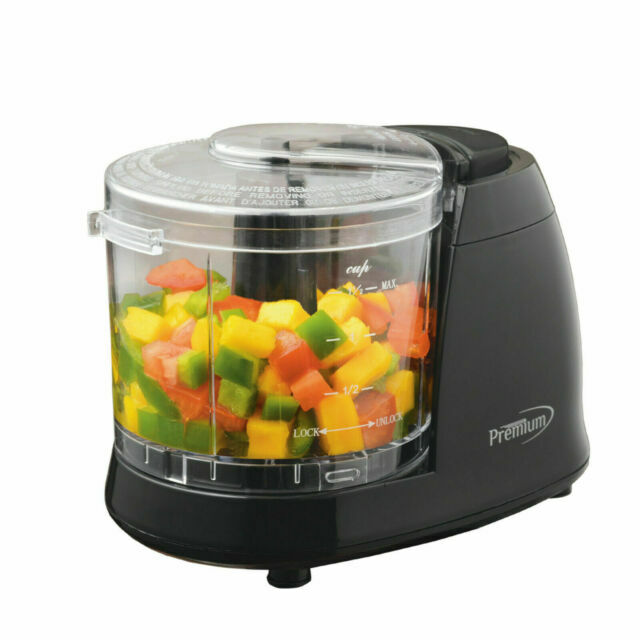
Unpacking and Understanding Your Food Network 3 Cup Mini Processor Chopper
Before diving into culinary adventures, it’s crucial to familiarize yourself with your appliance. Think of the Food Network 3 cup mini processor chopper manual as your initial blueprint, detailing every component and critical safety measure.
Parts and Features Overview
Your mini processor chopper typically consists of several key parts: the sturdy motor base, the 3-cup work bowl, the versatile S-blade (designed for chopping and pureeing), a secure lid with an oil dispenser opening, and a food pusher (if applicable for models with a chute). Some models also include reversible slicing/shredding discs, though the core function remains chopping. The oil dispenser is a particularly handy feature, allowing you to gradually add liquids like oil for emulsifying dressings and sauces without stopping the processing.
First Use and Important Safeguards
Upon first unboxing, ensure all packaging materials are removed. Before initial use, wash all removable parts—the lid, blade, and work bowl—in warm, soapy water, then rinse and dry thoroughly. It’s paramount to handle the S-blade with extreme care as it is exceptionally sharp. Always grasp it by the stem.
Safety is paramount. Your Food Network mini processor chopper is equipped with a crucial safety interlock mechanism; the unit will not operate unless the lid is correctly locked into place on the work bowl and the bowl is securely fastened to the base. Always ensure the appliance is unplugged before assembly, disassembly, or cleaning. Never immerse the motor base, cord, or plug in water or any other liquid to avoid electrical shock. Close supervision is necessary when children are near the appliance.
Mastering Operation: How to Use Your Mini Processor Chopper
Getting your Food Network 3 cup mini processor chopper ready for action is straightforward, especially with a quick glance at your Food Network 3 cup mini processor chopper manual.
Assembly Made Easy
- Secure the Bowl: Ensure the unit is unplugged. Place the work bowl onto the motor base, aligning the handle with the designated slot, and twist it clockwise until it locks securely into position.
- Insert the Blade: Carefully place the S-blade over the center drive shaft in the work bowl, holding it by its stem. Give it a slight rotation if needed until it drops fully into place.
- Lock the Lid: Place the lid onto the work bowl, aligning the lock tab with the handle slot, and twist it clockwise until it clicks and locks. Remember, the unit will not power on if the lid isn’t properly secured due to the safety interlock.
Processing Your Ingredients
Once assembled, plug in the unit. For chopping:
- Prepare Food: Cut ingredients into uniform 1/2-inch to 1-inch pieces. This ensures even processing. Distribute food evenly around the blade.
- Don’t Overfill: Adhere to the 3-cup capacity. For larger quantities, process in smaller batches to avoid overloading the motor and ensure consistent results.
- Pulse Power: For most chopping tasks, use short, quick pulses rather than continuous running. This gives you greater control over the consistency, from coarse chop to fine mince.
- Using the Oil Dispenser: When making dressings or sauces that require a slow stream of oil, pour the oil into the lid’s dispenser. It will gradually drip into the bowl while the unit is operating, helping to emulsify ingredients perfectly.
Food Guide Highlights and What to Avoid
Your Food Network 3 cup mini processor chopper manual includes a detailed food guide, but here are some general guidelines:
Great for:
- Herbs: Parsley, basil, cilantro, chives (chop up to 1-2 cups).
- Nuts: Up to 1 cup at a time for chopped nuts.
- Vegetables: Onions, carrots, celery (cut into 1-inch chunks, up to 2 cups).
- Garlic: Mince up to 10 cloves.
- Bread Crumbs: Process slices of bread for fresh crumbs.
- Cheese: Parmesan (cut into 1/2-inch cubes, up to 1/2 cup).
- Fruit: Chopped fruit for salsas or purees (up to 2 cups).
- Baby Food: Puree small amounts of cooked fruits or vegetables.
Avoid Processing (to prevent damage to the unit and blades):
- Raw meat: Mini choppers are not designed for processing raw meat.
- Coffee beans: These are too hard and can dull or damage the blade.
- Baking chocolate: Its consistency can be problematic.
- Whole, hard spices: Like coffee beans, these can damage the blade.
Tips for Optimal Results
- Uniformity is Key: Always cut larger ingredients into small, uniform pieces to ensure even processing and prevent the motor from struggling.
- Don’t Overfill: Respect the 3-cup maximum capacity. Overfilling leads to uneven results and can strain the motor.
- Pulse, Don’t Puree (unless intended): For chopping, short pulses give you control. Continuous running quickly turns ingredients into a puree.
- Scrape Down Sides: Occasionally stop the unit, unplug it, and scrape down the sides of the bowl with a spatula to ensure all ingredients are processed evenly.
- Chill Ingredients: For some items, like onions, chilling them beforehand can reduce tears and make for a cleaner chop.
Care and Cleaning for Longevity
Proper care and cleaning are essential for extending the life of your Food Network 3 cup mini processor chopper.
Step-by-Step Cleaning Instructions
- Unplug First: Always ensure the unit is unplugged and the blade has come to a complete stop before disassembling.
- Disassemble: Turn the lid counter-clockwise to unlock and remove it. Carefully grasp the S-blade by its stem and lift it out. Turn the work bowl counter-clockwise to unlock and lift it off the motor base.
- Wash Removable Parts: The lid, S-blade, and work bowl are typically top-rack dishwasher safe. Alternatively, wash them by hand in warm, soapy water, rinse thoroughly, and dry immediately. Remember to handle the sharp blade with extreme caution.
- Clean Motor Base: Wipe the exterior of the motor base with a soft, damp cloth. Never immerse the motor base in water.
- Reassemble for Storage: Once all parts are clean and dry, reassemble the unit (without plugging it in) and store it in a clean, dry place.
Safe Storage Practices
Store your mini chopper assembled to keep all parts together. Place it in a cabinet or on a shelf where it’s easily accessible but out of the reach of children. Keeping the blades covered and secured prevents accidental cuts.
Beyond the Basics: Creative Uses and Recipes
While the primary function of your Food Network 3 cup mini processor chopper manual focuses on fundamental operations, the appliance itself opens a world of culinary possibilities. It’s perfect for:
- Quick Salsas and Dips: Finely chop tomatoes, onions, cilantro, and jalapeños for a fresh salsa, or create smooth hummus.
- Pesto and Dressings: The oil dispenser is invaluable for emulsifying olive oil into basil, pine nuts, and Parmesan for a vibrant pesto, or whisking up creamy salad dressings.
- Flavor Bases: Mince ginger, garlic, and onions for curries, stir-fries, and soups in seconds.
- Baking Prep: Make cookie crumbs for pie crusts or finely chop nuts for toppings and batters.
- Homemade Breadcrumbs: Transform stale bread into fresh, flavorful breadcrumbs for various dishes.
Troubleshooting Common Issues
Even with a detailed Food Network 3 cup mini processor chopper manual, you might encounter minor issues. Here are quick tips for common problems:
- Unit Not Starting: This is most often due to the safety interlock. Ensure the work bowl is securely locked onto the base and the lid is properly locked onto the work bowl. If any part is misaligned, the motor will not engage.
- Uneven Chopping: This usually means you’ve overfilled the bowl or haven’t cut ingredients into uniform sizes. Process in smaller batches and pre-cut ingredients properly. Pulsing rather than continuous processing also helps.
- Motor Straining: If the motor sounds like it’s struggling, you might be processing too much food or ingredients that are too hard (like raw meat or hard spices). Refer to the “Foods to Avoid” section.
“A well-maintained kitchen appliance is a happy kitchen appliance,” notes Chef Amelia Renard, a culinary consultant specializing in small kitchen tech. “Following the manual for your Food Network mini chopper ensures it performs optimally for years, preventing common wear and tear and maximizing its utility for your daily cooking needs.”
Frequently Asked Questions
Q: Can I put raw meat in my Food Network 3 cup mini processor chopper?
A: No, the Food Network 3 cup mini processor chopper is not designed for processing raw meat, as it can damage the blades and motor. Stick to vegetables, fruits, herbs, and nuts as outlined in your Food Network 3 cup mini processor chopper manual.
Q: How do I clean the blades of my mini chopper?
A: Always unplug the unit first. Carefully grasp the S-blade by its stem (never the sharp edges) and lift it out. Wash it in warm, soapy water or place it on the top rack of your dishwasher. Rinse and dry thoroughly.
Q: What is the capacity of this mini food processor?
A: This model is a 3-cup mini processor/chopper, ideal for small to medium-sized tasks like chopping herbs, nuts, or making single servings of dips and sauces.
Q: Why won’t my Food Network mini chopper turn on?
A: The most common reason is that the safety interlock mechanism isn’t engaged. Ensure the work bowl is twisted and locked onto the motor base, and the lid is twisted and locked onto the work bowl. The unit will not operate if these are not correctly aligned.
Q: Can I make baby food with my Food Network 3 cup mini processor chopper?
A: Yes, it’s excellent for pureeing small amounts of cooked fruits and vegetables into baby food. Ensure the food is cooked and soft before processing for best results.
Conclusion
Your Food Network 3 cup mini processor chopper is a marvel of efficiency and convenience, but its true potential is realized through informed usage. By embracing the guidance found within your Food Network 3 cup mini processor chopper manual, you’re not just operating an appliance; you’re becoming a more confident, capable, and creative cook. From safety protocols to maintenance tips and innovative applications, the manual empowers you to keep your kitchen running smoothly. So, go ahead—chop, mince, and puree with confidence, knowing you have the ultimate resource at your fingertips.