In the fast-paced rhythm of modern life, our kitchens need tools that keep up without demanding too much space, power, or precious time. Enter the Manual Mini Food Chopper, a humble yet mighty kitchen gadget that’s redefining convenience for home cooks everywhere. If you’ve ever dreaded chopping onions, mincing garlic, or preparing a quick salsa, this compact workhorse is about to become your new best friend. It’s not just about speed; it’s about reclaiming control over your meal prep, one effortless pull or press at a time.
What is a Manual Mini Food Chopper and Why You Need It?
At its heart, a manual mini food chopper is a compact, non-electric device designed to quickly chop, dice, and mince ingredients. Forget the bulky food processors that hog counter space and require an outlet; this gadget operates solely on your input, typically through a pull-cord mechanism or a push-down plunger. It’s the ultimate antidote to tedious knife work, offering a simpler, faster, and often safer way to tackle everyday chopping tasks.
You need a manual mini food chopper because it streamlines your cooking experience. It’s perfect for those quick weeknight meals when every minute counts, transforming raw ingredients into perfectly prepped components in seconds. Whether you’re a culinary enthusiast with a small kitchen, a camper who loves homemade meals on the go, or simply someone looking to minimize kitchen fuss, this tool delivers big on convenience and efficiency.
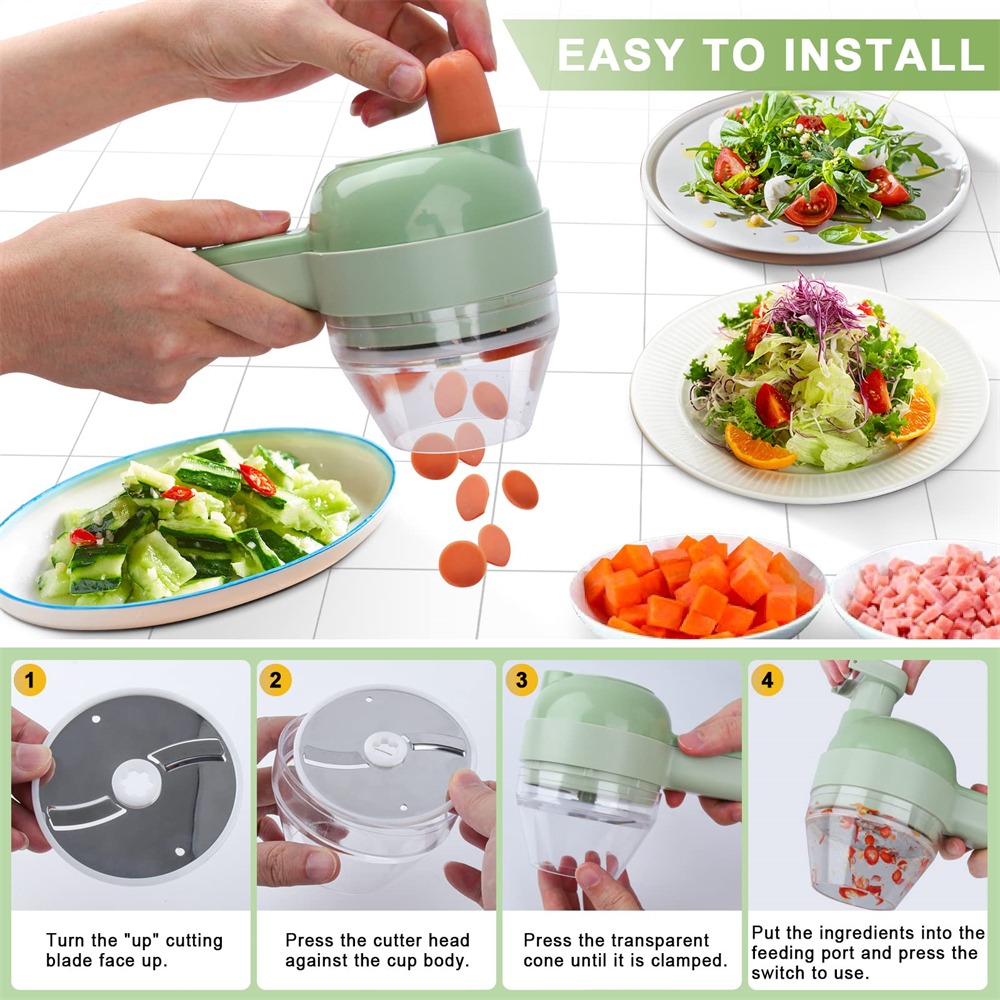
Outstanding Features and Benefits of the Manual Mini Food Chopper
The advantages of integrating a manual mini food chopper into your kitchen routine are numerous:
- Compact & Portable: Its small footprint means it fits easily into any kitchen, from a cozy apartment to an RV. No cords, no fuss—just grab and go.
- No Electricity Required: This is a game-changer for portability and eco-conscious cooking. Use it anywhere, anytime, without worrying about power outlets or outages.
- Precise Control: Unlike electric models that can quickly over-process ingredients, a manual chopper gives you complete command over the texture. A few pulls for a coarse chop, a few more for a fine mince. According to kitchen appliance reviewer, Mark Jenkins, “While electric choppers offer sheer power, the tactile feedback of a manual chopper gives you an unparalleled level of control over your final texture, a nuance many home cooks appreciate.”
- Easy to Use: With straightforward mechanisms like a pull-cord or a push-down handle, these choppers are incredibly user-friendly, making them accessible even for beginner cooks.
- Time-Saving: Say goodbye to endless chopping boards and crying over onions. A manual mini food chopper can complete tasks that might take 15-20 minutes with a knife in mere seconds.
- Affordable: Generally more budget-friendly than their electric counterparts, manual choppers offer excellent value without compromising performance for small tasks.
- Easy to Clean: Fewer parts mean less hassle. Most components are dishwasher-safe, simplifying cleanup significantly.
- Durable & Safe Materials: Many models feature sharp stainless steel blades and BPA-free materials, ensuring both effective chopping and food safety.
Choosing the Right Manual Mini Food Chopper for Your Needs
Selecting the perfect manual mini food chopper involves a few key considerations to match your cooking style and preferences.
Capacity
Think about your typical batch size. For single servings, quick garlic mincing, or small amounts of herbs, a 1-2 cup capacity is ideal. If you frequently cook for families or prepare larger quantities of dips and sauces, a 3-5 cup model might be more suitable.
Blade Quality
The effectiveness of any chopper hinges on its blades. Look for sharp, durable stainless steel blades that can tackle various ingredients without dulling quickly. Well-designed blades are crucial for consistent and efficient chopping.
Mechanism Type
Manual choppers primarily come in two types:
- Pull-cord choppers: These involve pulling a string to rotate blades within the bowl. They often provide excellent power for chopping even tougher ingredients like nuts and sometimes carrots.
- Push-down (plunger) choppers: You press down on a plunger that drives blades vertically. These are fantastic for quick, small jobs like mincing garlic or shallots and are often very compact.
Consider which mechanism feels most comfortable and efficient for the tasks you’ll perform most often.
Ease of Cleaning
The easier it is to clean, the more you’ll use it. Prioritize models with easily detachable, dishwasher-safe components. A design with minimal nooks and crannies will save you valuable time after meal prep.
Build Quality & Materials
A sturdy construction ensures longevity. Check for robust plastic (often BPA-free) and a non-slip base that keeps the chopper stable during use. Durability can be a concern for pull-cords over time, so assess the quality of the string mechanism if you choose this type.
Tips for Effective Use and Maintenance of Your Manual Mini Food Chopper
To get the most out of your manual mini food chopper and ensure its longevity, keep these tips in mind:
Pre-cutting
While powerful, manual choppers work best when larger ingredients are cut into smaller, more manageable chunks (e.g., about 1-inch pieces) before being placed in the bowl. This prevents blades from jamming and ensures a more even chop.
Don’t Overfill
Resist the urge to pack the bowl to the brim. Overfilling can strain the mechanism, lead to uneven chopping, or prevent the blades from rotating effectively. Work in batches for larger quantities.
Pulsing Technique
For optimal control, use a pulsing action rather than continuous pulling or pressing. A few short pulses will give you a coarse chop, while more frequent pulses will result in finer textures or even purees. This is key to achieving your desired consistency.
Cleaning
Rinse components immediately after use to prevent food from drying and sticking. Most bowls and blades are top-rack dishwasher safe, but always check the manufacturer’s instructions. The lids often require hand washing due to their intricate mechanisms.
Storage
Store your chopper with the blades protected, either in their cover or securely placed within the bowl, to prevent accidental cuts and keep them sharp. The compact size of these tools makes them easy to tuck away in a drawer or cabinet.
Diverse Applications of the Manual Mini Food Chopper in Food Preparation
The versatility of the manual mini food chopper extends far beyond just chopping onions. This small appliance can revolutionize numerous aspects of your daily cooking:
Everyday Chops
It excels at dicing onions, mincing garlic and ginger, and chopping various vegetables like bell peppers, carrots, celery, and herbs for stir-fries, salads, and soups. “As Chef Julianna Rossi, a culinary instructor and kitchen efficiency expert, often says, ‘The beauty of a manual mini food chopper lies in its democratic design – anyone can achieve professional results without needing an outlet or advanced skills.'”
Homemade Dips & Sauces
Whip up fresh salsa, creamy guacamole, flavorful pesto, or smooth hummus in minutes. The control over texture allows you to achieve everything from chunky to silky smooth.
Nut & Seed Prep
Perfectly chop nuts for baking, garnishes, or homemade granola. You can even use it to create fine crumbles or pastes from softer nuts.
Baby Food & Purees
For parents, it’s a healthy hack. Easily transform cooked fruits and vegetables into fresh, wholesome baby food or smooth purees for soups and sauces. Nutritionist Dr. Anya Sharma points out, “For busy parents, a manual mini food chopper is a godsend. It transforms whole, fresh ingredients into healthy purees for babies or finely diced veggies for picky eaters in minutes, making homemade meals genuinely achievable.”
Manual Mini Food Chopper vs. Other Cutting Tools
Understanding how a manual mini food chopper stacks up against other kitchen tools can help you appreciate its unique value.
Vs. A Knife
While a chef’s knife is indispensable, a manual chopper offers several advantages for repetitive tasks. It’s significantly faster for mincing and dicing, provides more consistent results, and can be much safer, reducing the risk of accidental cuts, especially for those less confident with knife skills. Plus, it eliminates the tear-inducing experience of chopping onions.
Vs. Electric Food Processor/Chopper
This is where the distinction becomes clearer:
- Manual Chopper Pros:
- Portability: No cords, no outlets needed, ideal for travel or outdoor cooking.
- Quieter Operation: Operates silently compared to noisy electric motors.
- More Control: You dictate the speed and duration, giving you precise control over the chop size.
- Easier Cleanup: Generally has fewer parts and no motorized base to worry about.
- Cost-Effective: A more affordable entry point into faster food prep.
- Manual Chopper Cons:
- Requires Effort: You supply the power, which can be tiring for very large batches or exceptionally hard ingredients.
- Limited Versatility: Primarily for chopping and mincing; electric models often come with attachments for shredding, slicing, and whisking.
- Durability Concerns: Pull-cords, while robust, can wear out over time with heavy use.
- Electric Chopper Pros:
- Less Effort: Effortless operation with just the push of a button.
- Faster for Large Batches: Processes significant volumes quickly.
- Handles Harder Ingredients: More powerful motors can easily tackle raw carrots, hard nuts, and other tough foods.
- More Functions: Often offers multiple speeds and attachments for a wider range of tasks.
- Electric Chopper Cons:
- Bulkier & Less Portable: Requires an outlet and more storage space.
- Noisier: The motor generates noticeable noise.
- Can Over-process Quickly: Easy to turn ingredients into mush if not careful.
- More Parts to Clean: The motor base needs careful handling, and some models have more intricate components.
- Higher Cost: Generally more expensive upfront.
Frequently Asked Questions (FAQ)
Q1: Can a manual mini food chopper chop hard vegetables like carrots?
A manual mini food chopper can chop harder vegetables like carrots, but it depends on the blade quality and mechanism. Pull-cord models with sharp stainless steel blades tend to handle them more effectively, especially if the carrots are cut into smaller pieces first.
Q2: Is it difficult to clean a manual food chopper?
No, manual food choppers are typically very easy to clean. Most models feature detachable parts that are dishwasher-safe, with the blades and bowl usually requiring just a quick rinse or a run through the dishwasher.
Q3: How much food can a manual mini food chopper hold?
Manual mini food choppers usually have capacities ranging from 1 to 5 cups. Smaller models (1-2 cups) are perfect for single servings or small tasks, while larger ones (3-5 cups) can handle family-sized portions or more ingredients for dips.
Q4: Are manual food choppers safe to use?
Yes, manual food choppers are generally considered safer than using a knife, especially for repetitive tasks. The blades are enclosed during operation, minimizing direct contact and reducing the risk of cuts.
Q5: How does a pull-cord manual chopper work?
A pull-cord manual chopper works by having a handle attached to a string that, when pulled, rapidly rotates the blades inside the bowl. The more times you pull the cord, the finer the chop, giving you precise control over the consistency.
Transform Your Kitchen with a Manual Mini Food Chopper
The manual mini food chopper is more than just a gadget; it’s an invitation to a simpler, more efficient cooking experience. Its compact design, ease of use, and ability to handle a surprising variety of ingredients make it an indispensable tool for any kitchen, big or small. From speeding up your daily meal prep to empowering you with precise control over your ingredients, this little powerhouse proves that sometimes, the best innovations are the simplest ones. Embrace the magic of the manual mini food chopper and discover how effortless and enjoyable cooking can truly be.