In today’s fast-paced world, convenience in the kitchen is more than just a luxury – it’s a necessity. For many home cooks, the thought of tedious chopping, mincing, and dicing can be a real deterrent, especially when preparing smaller meals or just a few ingredients. Enter the unsung hero of compact culinary tools: the Mini Food Processor And Chopper. This versatile little gadget is designed to streamline your food preparation, saving you precious time and effort without demanding much counter space.
What is a Mini Food Processor and Chopper, and Why Your Kitchen Needs One
At its core, a mini food processor and chopper is a compact kitchen appliance engineered for handling smaller quantities of ingredients. Think of it as the nimble sibling to its full-sized counterpart, perfectly suited for tasks that would otherwise feel cumbersome or messy. While often used interchangeably, a “chopper” typically focuses on cutting ingredients into uniform pieces, whereas a “processor” might offer slightly more versatility, capable of pureeing, grinding, or emulsifying in addition to chopping. Regardless of the label, their primary mission is efficiency.
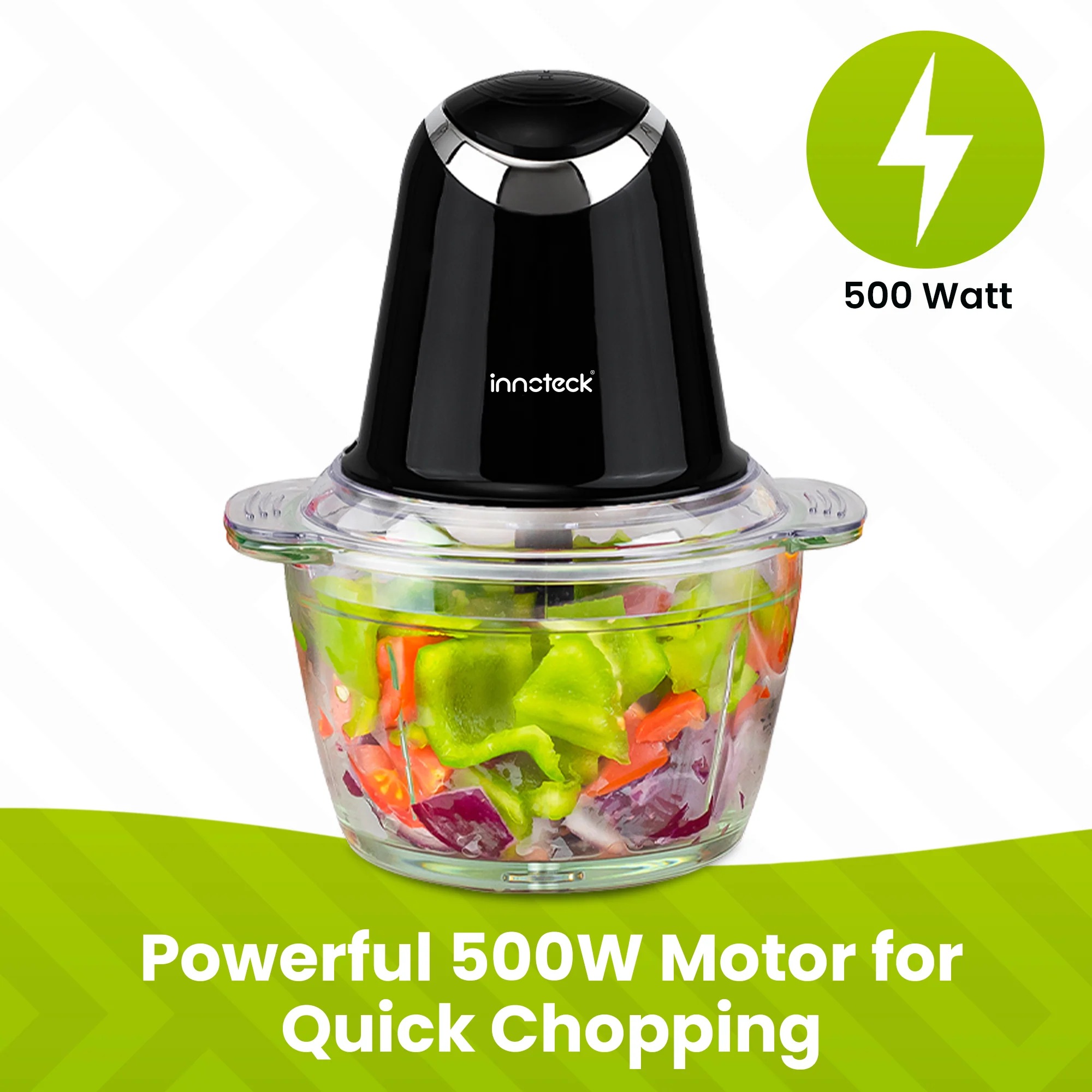
Why should you welcome one into your kitchen? It’s simple: for speed, consistency, and unparalleled convenience. Imagine mincing garlic in seconds, chopping onions without tears, or creating fresh herb blends with a few quick pulses. These devices excel at these tasks, delivering uniformly processed ingredients far faster and more consistently than a knife ever could. They also make cleanup a breeze, often featuring dishwasher-safe parts, a stark contrast to the effort required for a large food processor or a pile of cutting boards and knives.
Key Features and Benefits: Unpacking the Power of Compact Prep
Don’t let their size fool you; mini food processors and choppers pack a powerful punch, offering a range of features designed to enhance your cooking experience.
- Compact Capacity: Most models come with a bowl capacity ranging from 1 to 3 cups, which is ideal for individual servings, small family meals, or processing single ingredients like a head of garlic, a handful of nuts, or a small onion. This prevents food from simply being pushed to the sides, a common issue when using a large processor for tiny tasks.
- Efficient Power: Electric mini choppers typically feature robust motors that can handle everything from soft herbs to hard nuts with ease. Manual choppers, on the other hand, offer surprising power through a simple pull-cord or plunger mechanism, making them excellent for portability or in kitchens with limited outlets.
- Sharp, Durable Blades: The heart of any good chopper is its blade. Look for S-shaped stainless steel blades that are razor-sharp and rust-resistant. These blades are designed to efficiently cut through ingredients, ensuring even results. Some advanced models might even offer dual blades for enhanced performance.
- Intuitive Controls: Simplicity is key. Most mini food processors feature a one-touch pulse button, giving you precise control over the consistency of your ingredients – from coarse chop to fine mince or smooth puree. This prevents over-processing, which can turn your ingredients into an unwanted mush.
- Safety and Stability: Safety locks, non-slip bases, and BPA-free materials are common features that contribute to a secure and healthy cooking environment. Easy assembly and disassembly also ensure that the device is not only safe to use but also simple to operate for anyone.
These features combine to deliver a host of benefits, transforming tiresome tasks into quick, enjoyable parts of your culinary routine. From minimizing prep time to encouraging healthier eating by making fresh ingredients more accessible, a quality mini food processor and chopper is a true kitchen game-changer.
How to Choose the Perfect Mini Food Processor and Chopper for Your Needs
Selecting the right mini food processor and chopper can feel overwhelming with the myriad of options available. To find your ideal kitchen companion, consider these key factors:
Assessing Your Typical Usage
Before diving into features, think about what you’ll primarily use it for.
- Are you mainly chopping nuts and herbs? A simpler chopper might suffice.
- Do you need to make baby food or small batches of sauces? A mini food processor with more versatility will be better.
- How often will you use it? Frequent use warrants a more durable and powerful model.
Capacity and Power Match
The capacity of the bowl (usually 1-3 cups) directly impacts how much food you can process at once.
- For single servings or just a few cloves of garlic, a 1-cup model is perfect.
- For small family meals or making dips, a 2-3 cup capacity offers more flexibility.
Electric models range in wattage; higher wattage often means more power for tougher ingredients. Manual choppers rely on your effort but are excellent for quick, small tasks without electricity.
Ease of Cleaning and Assembly
A kitchen tool is only convenient if it’s easy to clean. Look for models with dishwasher-safe parts and minimal components. Simple assembly and disassembly save time and frustration. Sealed bowls prevent leaks, which is crucial for liquid ingredients.
Corded vs. Cordless: The Modern Convenience Factor
- Corded models generally offer consistent power without needing to recharge, but they tie you to an outlet.
- Cordless options provide ultimate flexibility, allowing you to use them anywhere in your kitchen or even take them outdoors for grilling prep. They run on rechargeable batteries and are increasingly popular for their portability, though their power might be slightly less intense than some high-wattage corded units.
Brand Reputation and Reviews
Always check reviews from other users and reputable kitchen appliance websites. Brands known for quality and customer service often provide more reliable products. Look for feedback on durability, performance, and actual user experience.
Mastering Your Mini Food Processor and Chopper: Tips for Use and Care
Getting the most out of your mini food processor and chopper requires a few simple techniques and consistent care.
Preparation Tips
- Pre-cut Larger Ingredients: While these machines are powerful, they aren’t meant for whole carrots or large chunks of onion. Cut larger items into 1-inch pieces to ensure even processing and prevent straining the motor or blade.
- Don’t Overfill: Respect the capacity limit of your bowl. Overfilling can lead to uneven chopping, stuck ingredients, and potential damage to the motor. Process in batches if necessary.
- Mix Textures Smartly: If processing a mix of hard and soft ingredients, add the harder items first or chop them separately to ensure everything reaches the desired consistency.
The Magic of the ‘Pulse’ Button
The pulse function is your best friend. Instead of continuous running, which can quickly turn ingredients into a watery paste, pulsing gives you precise control.
- Use short bursts (1-2 seconds) and check the consistency after each pulse.
- This technique is especially useful for achieving a coarse chop or preventing over-processing delicate herbs.
Cleaning and Maintenance for Longevity
- Clean Immediately: Rinse the bowl and blade right after use to prevent food from drying and sticking, making cleanup much easier.
- Dishwasher-Safe Parts: Most bowls, lids, and blades are top-rack dishwasher safe, but always check your specific model’s manual. The motor base, of course, should never be immersed in water – wipe it clean with a damp cloth.
- Store Properly: Ensure all parts are completely dry before reassembling and storing to prevent mold or odors. Keep the blade safely stored to avoid accidental cuts.
“A clean tool is a happy tool,” advises Chef Anya Sharma, a culinary technology specialist. “Regular, thorough cleaning not only extends the life of your mini food processor and chopper but also ensures sanitary food preparation every time.”
Safety Precautions
Always ensure the lid is properly locked in place before operating. Never reach into the bowl when the blade is moving or the unit is plugged in. Always unplug the unit when assembling, disassembling, or cleaning.
Unleashing Culinary Creativity: Diverse Applications of Your Mini Food Chopper
The versatility of the mini food processor and chopper extends far beyond basic chopping. It’s a true multi-tasker that can inspire new culinary creations and simplify existing recipes.
- Mincing Aromatics: Effortlessly mince garlic, onions, shallots, ginger, and fresh herbs (parsley, cilantro, basil) to infuse your dishes with flavor. Say goodbye to sticky fingers and uneven knife work.
- Nut Chopping and Grinding: Achieve perfect uniformity for chopped nuts to sprinkle over salads, desserts, or for baking. You can even grind nuts into a coarse meal for breading or gluten-free recipes.
- Homemade Sauces and Dressings: Whip up small batches of pesto, chimichurri, vinaigrettes, or creamy sauces. The compact size is ideal for emulsifying ingredients quickly.
- Baby Food and Purees: Create fresh, healthy baby food purees from cooked fruits and vegetables, controlling the ingredients and textures for your little one.
- Quick Dips and Spreads: Blend small quantities of hummus, salsa, tapenade, or bean dips for appetizers or healthy snacks in minutes.
- Breadcrumbs and Cookie Crumbs: Turn stale bread or cookies into fresh crumbs for coatings, toppings, or pie crusts.
Mini Food Processor vs. The Rest: A Comparative Look
Understanding where the mini food processor and chopper fits into your kitchen arsenal means comparing it to other common tools.
- Vs. Chef’s Knife: A knife is a fundamental tool, offering precision and control for specific cuts. However, for repetitive chopping of multiple ingredients, achieving consistent mincing, or dealing with sticky foods like garlic, the mini food processor is far superior in speed and effort. It reduces fatigue and ensures uniformity.
- Vs. Full-sized Food Processor: Large food processors are powerhouses for big batches, kneading dough, slicing, and shredding. But for small tasks, they are often overkill. A mini food processor and chopper is more efficient for small volumes, easier to clean, and takes up a fraction of the space, preventing ingredients from just swirling around the bottom of a large bowl.
- Vs. Blender: Blenders excel at processing liquids, making smoothies, soups, and purees with a high liquid content. While a mini food processor can make smooth purees, it’s not designed for high-volume liquids or for creating the frothy texture blenders achieve. Its strength lies in handling solid and semi-solid ingredients.
Frequently Asked Questions (FAQ)
What is the main difference between a mini food processor and a mini chopper?
A mini chopper is typically designed just for chopping ingredients into smaller pieces. A mini food processor often has more versatile blades and settings, allowing it to chop, mince, puree, and sometimes grind, offering a broader range of functions for food preparation.
Can a mini food processor make baby food?
Yes, mini food processors and choppers are excellent for making small batches of fresh baby food purees from cooked fruits, vegetables, and meats, allowing you to control the ingredients and consistency.
Are mini food choppers easy to clean?
Most modern mini food choppers are designed for easy cleaning, often featuring detachable bowls, lids, and blades that are top-rack dishwasher safe. The motor base typically needs to be wiped clean with a damp cloth.
What are the best uses for a mini food processor and chopper?
They are best for small tasks like mincing garlic and herbs, chopping nuts, making breadcrumbs, creating small batches of sauces and dips (like pesto or salsa), and preparing baby food.
Is a cordless mini food chopper worth it?
A cordless mini food processor and chopper offers unparalleled convenience and portability, allowing you to use it anywhere without being tied to an outlet. It’s especially worth it for those with limited counter space, outdoor cooking needs, or a desire for maximum flexibility.
Can I chop onions in a mini food chopper without crying?
Yes! Chopping onions in a sealed mini food chopper significantly reduces exposure to the tear-inducing compounds, often allowing you to chop them without experiencing watery eyes.
How much food can a mini food processor typically hold?
Most mini food processors and choppers have a capacity ranging from 1 to 3 cups, making them ideal for small batches and single-ingredient preparation.
Embrace the Power of Small
The mini food processor and chopper is more than just another gadget; it’s a testament to how intelligent design can profoundly impact our daily lives. By simplifying tedious chopping tasks, it frees up your time and energy, encouraging you to experiment more in the kitchen and enjoy the process of cooking. Whether you’re a seasoned chef looking for a convenient shortcut or a beginner eager to make healthy meals without the fuss, this compact powerhouse is an invaluable addition to any kitchen. Don’t underestimate the power of small; embrace the efficiency and versatility that a mini food processor and chopper brings to your culinary journey. It’s time to chop smarter, not harder.